
How to Solve Exterior Wall Water Seepage?
Home repairs made easy. Book now!


How to Solve Exterior Wall Water Seepage?
Exterior wall seepage arises from various sources such as construction errors, concrete cracks, and gaps around fixtures. It's often due to voids and cracks, and fixing it requires sealing these areas.
Identifying Seepage Causes
Locating the source of wall leaks is often the hardest part. Mistaking multiple issues for one, inaccessible exterior walls, and contractors' lack of technical know-how can make leaks seem daunting to fix.
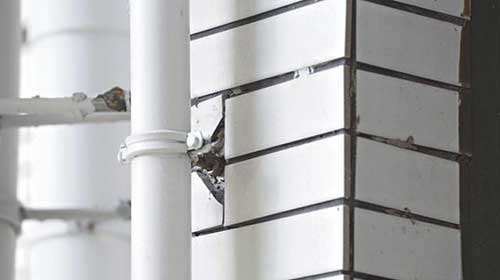
Seepage suggests unsealed gaps or cracks. It's best to repair from the outside, but costs can be high due to scaffolding and insurance. Major leaks may come from bolt holes, AC duct gaps, or structural cracks.
Seepage Solutions
For leaks near windows or cracks, a simple application of waterproof paint or sealant can suffice: clean the area, remove any loose or peeling material, and cover with the sealant. Ideally, chisel the crack into a V-shape, fill it with a repair compound, and cover with waterproofing oil.
Construction joint leaks, often due to unprofessional work and lack of waterproofing, are more complex. Debris, honeycombing, and crumbling within the joints allow water ingress. These issues are not easily solvable by untrained individuals, necessitating professional contractors for repair.

Indoor stains in circular patterns usually indicate unsealed bolt holes from construction, allowing rainwater to penetrate. Exterior walls are often public property, and the management should be contacted for repairs. For DIY fixes, excavate the stain area, clean it, plug it with expanding foam, and seal the edges with silicone to resolve the leakage.
As buildings age, concrete or plaster layers crack, leading to potential seepage or sudden flaking, causing damage. It's essential to address these issues thoroughly.
Download "Call Handyman" app now > Choose "Renovation" service to find a professional for the job!
Recommended Posts
For Users
Download "Call Handyman" now to experience our services
Easily find the right handyman through our app and receive professional, high-quality service


For Handymen
Download "Call Handyman Pro"
now to expand your business
Join us, reach more clients, and enhance your professional image