
Types of Electrical Distribution Board Boxes | Differences Between Three-Phase and Single-Phase Boxes
Home repairs made easy. Book now!


An electrical distribution board (DB) box is an essential part of any household, managing power supply and distributing it across various circuits within the home. Understanding the functionality and common issues associated with electrical meter boxes is critical for ensuring electrical safety at home. DB boxes primarily come in two types: Three-Phase and Single-Phase, each differing in circuit design, application, and functionality.
Differences Between Three-Phase and Single-Phase Boxes
.jpg)
The primary difference between three-phase and single-phase boxes lies in their circuit design and power-handling capacity:
Three-Phase Boxes typically have multiple circuit divisions, making them suitable for larger buildings such as factories, office complexes, restaurants, or landed houses. They offer the advantage of handling higher-voltage appliances and can even support electric water heaters that operate alongside natural gas for added power requirements.
Single-Phase Meter Boxes, on the other hand, are generally used for regular residential units or smaller homes. The circuit design is simpler and sufficient for typical household electrical needs.
In Singapore, standard residential setups typically use single-phase boxes due to their simplicity and suitability for smaller power needs.
Troubleshooting Single-Phase Boxes
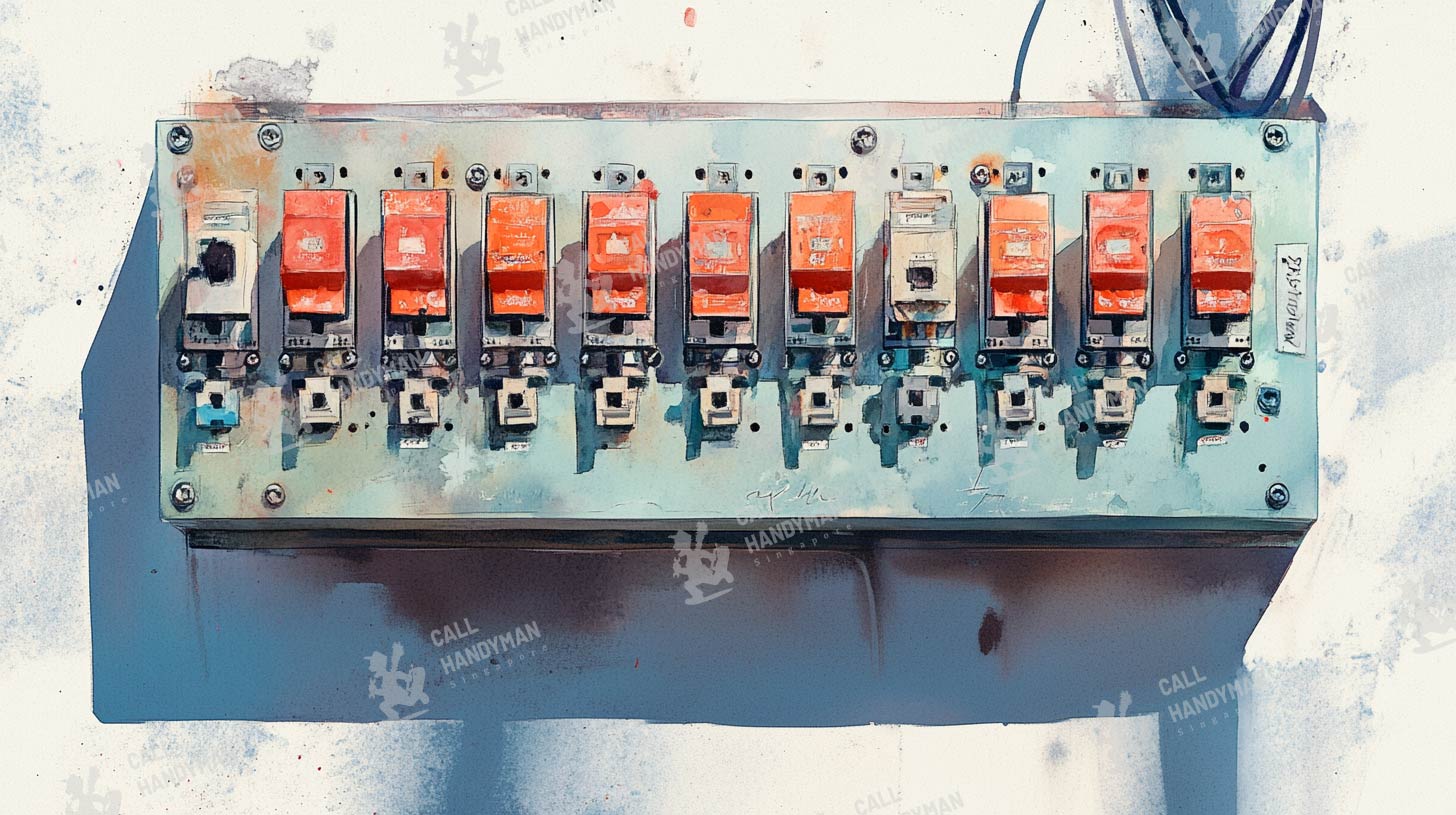
In most Singaporean homes, single-phase DB boxes are commonly used. Despite its simpler structure, it can experience issues like circuit trips or power loss. If a circuit trips, first switch the circuit breaker down and try resetting it. If power doesn’t restore, press the reset button (often blue in colour) a few times, then switch the breaker on again to see if the circuit stabilises.
Testing and Maintenance of Electrical Meter Boxes
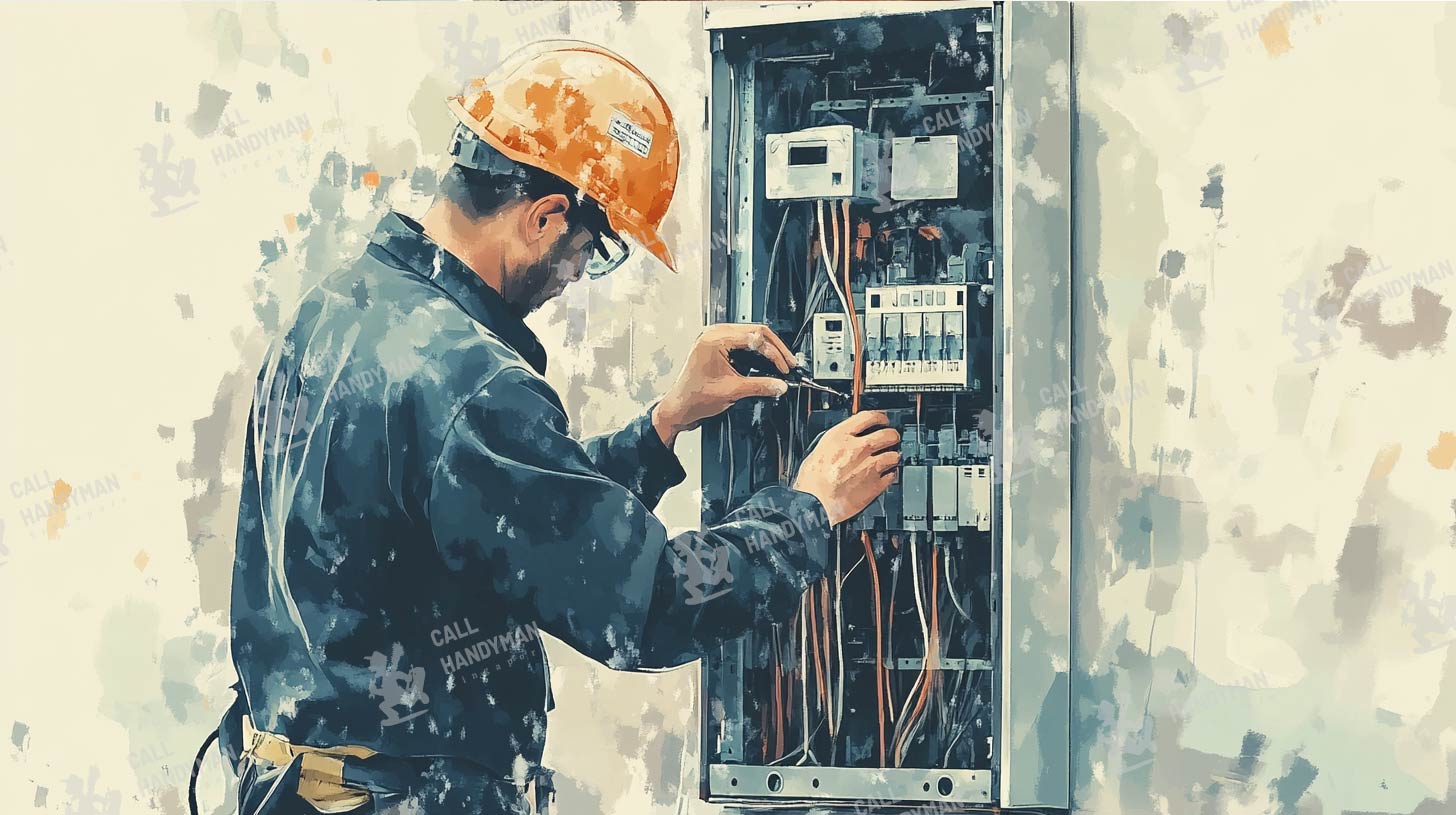
Regular inspection and maintenance of the meter box are crucial to prevent electrical issues and ensure safety. A socket tester can be used to check the power supply within the DB box. The tester has three indicator lights, and if all three are lit, the wiring connections are in good condition. If one of the lights is off, this could indicate a fault in that wire. If pressing the test button doesn’t trigger any response, it’s likely that the circuit has an issue that needs attention.
If the problem appears more complex, do not attempt a DIY fix. Instead, seek assistance from a qualified electrician to ensure safety. Regular checks of the meter box for unusual smells, sounds, or overheating are essential for home safety.
For convenient service, download the Call Handyman app, select “Home Maintenance” > “Electrical Works & Lighting” and find a professional electrician to inspect your electrical setup.
Recommended Posts
For Users
Download "Call Handyman" now to experience our services
Easily find the right handyman through our app and receive professional, high-quality service


For Handymen
Download "Call Handyman Pro"
now to expand your business
Join us, reach more clients, and enhance your professional image